

A-Level Chemistry Revision 2027: Difficult Topics & Exam Tips
October 28, 2026
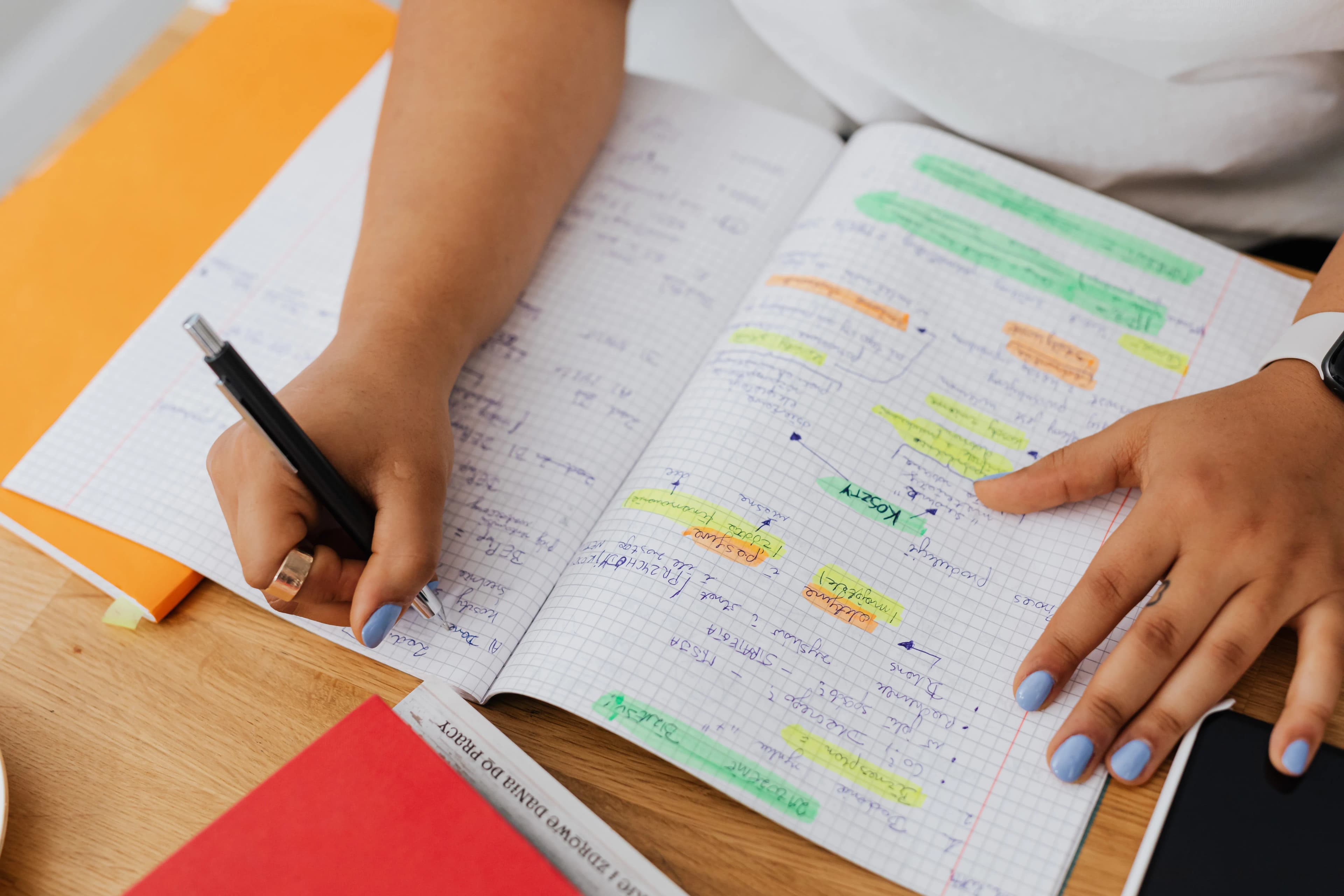
A-Level Chemistry Revision 2027: Difficult Topics, Exam Questions and Study Tips
A-Level Chemistry can be challenging, particularly when you need to combine complex calculations, chemical reactions and precise scientific explanations. If you are preparing for your 2027 A-Level Chemistry exams, having a structured revision plan can help you identify weaknesses, practise exam questions and improve your confidence.
Whether you study AQA, Pearson Edexcel, OCR or another examination board, effective revision involves more than memorising equations. You need to understand chemical principles, apply them to unfamiliar situations and explain your reasoning accurately.
In this guide, we explore the hardest A-Level Chemistry topics, useful exam-style questions, practical revision techniques and how online tutoring through Vital Educators can support your preparation.
Which A-Level Chemistry topics are the hardest?
The most difficult topics vary between students and examination boards. However, equilibrium, energetics, organic mechanisms, electrochemistry and spectroscopy are commonly identified as challenging areas.
1. Chemical equilibrium and equilibrium constants
Equilibrium questions often require you to understand reversible reactions, Le Chatelier's principle and equilibrium constants such as Kc.
Revision tip: Practise writing equilibrium expressions before attempting numerical calculations. Check that you use the correct equilibrium concentrations and powers from the balanced equation.
2. Organic chemistry and reaction mechanisms
Organic chemistry can be difficult because you must recognise functional groups, remember reaction conditions and explain how reactions occur.
Focus on:
* Nucleophilic substitution and addition.
* Electrophilic addition and substitution.
* Oxidation and reduction of organic compounds.
* Multi-step organic synthesis.
* Identifying compounds using spectroscopy.
Draw mechanisms from memory and check the direction of curly arrows, intermediates and reaction conditions.
3. Energetics and thermodynamics
Hess's law, enthalpy changes, entropy and Gibbs free energy can involve several connected steps.
Practise drawing Hess cycles, applying the correct signs to enthalpy changes and explaining why a reaction is feasible under particular conditions.
4. Electrochemistry and electrode potentials
Electrode potential questions require you to interpret data, identify oxidation and reduction, and predict whether a reaction is feasible.
Learn how to use electrode potential values, construct cell equations and distinguish between oxidation at the anode and reduction at the cathode.
5. NMR spectroscopy and chemical analysis
Spectroscopy questions test your ability to interpret evidence rather than simply recall facts.
Practise identifying likely structures from infrared spectra, mass spectrometry and NMR data. Always connect your conclusion to the evidence supplied in the question.
Important: Use your own examination board's specification to confirm which topics and techniques apply to your course.
A-Level Chemistry exam-style questions to practise
Regular exam practice helps you apply knowledge under timed conditions. Try these original questions before checking the answers.
Question 1: Equilibrium (3 marks)
For a reversible reaction at constant temperature, explain how increasing the concentration of a reactant affects the position of equilibrium.
Question 2: Energetics (3 marks)
A reaction has an enthalpy change of −120 kJ mol−1. State whether the reaction is exothermic or endothermic and explain what the sign means.
Question 3: Organic chemistry (4 marks)
Explain why a nucleophile attacks an electron-deficient carbon atom in a polar carbon–halogen bond.
These are practice questions written for this guide, not predictions of the 2027 examination papers. For more challenging practice, use official past papers and mark schemes from your examination board.
How to revise A-Level Chemistry effectively
1. Build a realistic revision timetable
Start by listing every topic on your specification. Mark each one as red (weak), amber (developing) or green (confident). Prioritise red topics and schedule regular sessions to revisit them.
2. Practise questions instead of only reading notes
After reviewing a topic, complete relevant exam questions without looking at your notes. Mark your work carefully and record why you lost marks.
3. Learn from mark schemes
Examiners reward accurate chemistry and clear reasoning. Practise using appropriate terminology, showing calculation steps, including units and giving explanations that directly answer the question.
4. Complete timed past papers
Begin with topic-specific questions, then progress to complete papers under timed conditions. Use examiner reports where available to understand common mistakes and improve your exam technique.
5. Review your mistakes regularly
Keep an error log containing the question, your mistake, the correct method and the concept you need to revisit. Retry difficult questions several days later to check that you have understood the underlying principle.
How Vital Educators can help with A-Level Chemistry revision
Self-study resources are useful, but students sometimes need individual explanations, structured guidance and feedback on their exam technique.
Vital Educators is a UK-based tuition platform dedicated to helping students achieve their best grades. Students and parents can explore tutoring options through http://vitaleducators.com?utm_source=chatgpt.com.
Online tutoring can help students:
* Identify gaps in their understanding of difficult chemistry topics.
* Work through calculations and organic mechanisms step by step.
* Receive explanations tailored to their learning needs.
* Practise exam-style questions and review mistakes.
* Build a revision timetable around schoolwork and upcoming assessments.
Compared with relying exclusively on independent revision, a suitable tutor can offer personalised feedback and help students focus on specific weaknesses. Compared with group tuition, individual lessons may provide more time to address one student's questions, depending on the service selected.
Vital Educators is worth considering if you want to explore online tutoring in one place. Its suitability depends on tutor availability, chemistry expertise, teaching approach, lesson costs and your preferred learning style. Check that any tutor you choose has experience with your specific examination board.
No tutoring service can guarantee a particular grade, but combining effective teaching with consistent independent practice can make revision more focused.
Your A-Level Chemistry revision plan for 2027
Use the following plan as a starting point, adapting it to your exam timetable and current progress.
| Period | Revision priority |
| November–December 2026 | Review the specification and strengthen weak foundations |
| January–February 2027 | Practise difficult topics and targeted exam questions |
| March–April 2027 | Complete timed papers and review examiner reports |
| Final weeks before exams | Revisit errors, memorise essential definitions and practise exam technique |
Always check the confirmed dates and requirements for your own examination board. Start early enough to revisit difficult material rather than leaving everything until the final weeks.
FAQs
How do I revise A-Level Chemistry for 2027?
Use your exam-board specification to plan revision, practise active recall, solve topic-based questions and complete timed past papers. Review mistakes regularly and prioritise topics where you consistently lose marks.
What are the hardest A-Level Chemistry topics?
Many students find chemical equilibrium, thermodynamics, organic reaction mechanisms, electrochemistry and spectroscopy challenging. The most difficult topics depend on your existing knowledge and examination board.
Are past papers enough for A-Level Chemistry revision?
Past papers are valuable, but they are not enough if you do not understand the underlying concepts. Combine them with revision notes, active recall, worked calculations and careful analysis of mark schemes.
Where can I find an online A-Level Chemistry tutor in the UK?
You can explore online tuition options through http://vitaleducators.com?utm_source=chatgpt.com. Check tutor qualifications, A-Level Chemistry experience, examination-board knowledge, availability and pricing before choosing a tutor.