

Higher Chemistry 2027: Revision Notes, Past Papers & Exam Tips
October 23, 2026
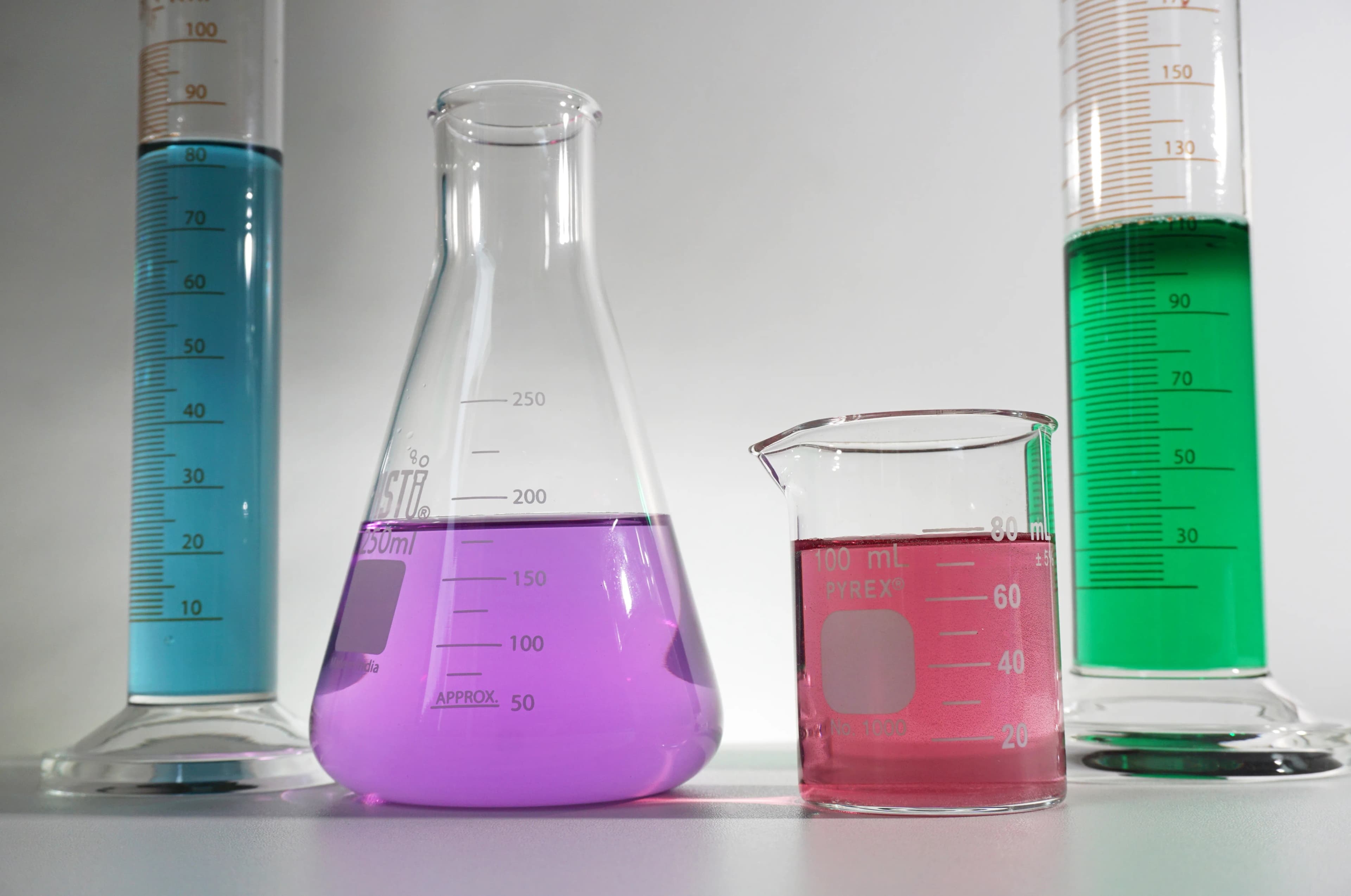
Higher Chemistry 2027: Revision Notes, Past Papers and Exam Tips
Preparing for Higher Chemistry in 2027? With the right revision strategy, regular past-paper practice and a clear understanding of the course, Scottish students can approach their exams with greater confidence.
Higher Chemistry requires more than memorising facts. You need to understand chemical principles, apply calculations accurately, interpret information and explain your answers using appropriate scientific terminology.
Whether you are aiming for an A, trying to improve your prelim results or looking for a structured revision plan, this guide explains how to prepare for Higher Chemistry 2027. It also explores how online tutoring from Vital Educators can support students who need more personalised help.
When is the Higher Chemistry exam in 2027?
The official Higher Chemistry exam is scheduled for Friday 21 May 2027, from 9:00 am to 11:30 am. Always check the official awarding body's website for any updates.
An early start is useful because it gives you time to identify weaker topics, practise examination questions and revisit difficult concepts before exam season.
Which topics should you revise for Higher Chemistry?
Your revision should follow the current Higher Chemistry course specification for the 2026–27 session. Important areas to review include:
* Chemical changes and structure: bonding, structure, periodic trends and chemical behaviour.
* Nature's chemistry: organic molecules, functional groups, reactions and applications.
* Chemistry in society: chemical processes, energy, industrial chemistry and relevant calculations.
* Chemical analysis: analytical techniques and interpreting experimental results.
Use the official website https://www.sqa.org.uk/sqa/47913.html?utm_source=chatgpt.com to confirm the exact course content and assessment requirements. Do not rely solely on older revision notes, as assessment arrangements have changed for 2026–27.
Where can you find Higher Chemistry past papers?
Past papers are among the most useful tools for exam preparation because they help you understand question styles, practise under timed conditions and identify knowledge gaps.
Start with the official Higher Chemistry past papers and marking instructions https://www.sqa.org.uk/sqa/47913.html?utm_source=chatgpt.com.
Use the papers strategically:
1. Start with topic-based questions to identify weak areas.
2. Attempt questions without looking at the answers.
3. Mark your work using the official marking instructions.
4. Write down every mistake and revise the underlying concept.
5. Complete timed practice using the current assessment format.
Important for 2027: the Higher Chemistry assessment has changed for the 2026–27 session. The question paper is now a single 100-mark paper lasting 2 hours and 30 minutes, with a 20-mark objective section and an 80-mark restricted-response and extended-response section. The assignment remains worth 20 marks but is scaled to 25 marks. Check the latest specification before planning mock exams.
Older past papers are still valuable for learning chemistry and practising question types, but they should not automatically be treated as identical to the new examination format.
How to make a Higher Chemistry revision timetable
A realistic revision timetable helps you cover the course without leaving everything until the final weeks. Adapt this four-week plan to your current progress.
Week | Revision focus | Main activity |
Week 1 | Review course topics | Identify gaps and revise key concepts |
Week 2 | Calculations and applications | Practise questions and show working |
Week 3 | Extended-response questions | Practise precise scientific explanations |
Week 4 | Exam practice | Complete timed papers and review mistakes |
If you have more than four weeks before your exam, spread the topics over a longer period. Short, consistent sessions are often more manageable than lengthy last-minute revision sessions.
Five Higher Chemistry exam tips
1. Understand concepts instead of memorising everything. Learn why chemical reactions occur and how different principles relate to one another.
2. Practise calculations regularly. Check units, significant figures and working. Make sure you understand how to use the official data booklet.
3. Pay attention to command words. Words such as state, describe, explain and calculate require different types of responses.
4. Learn from marking instructions. They help you understand which scientific points are required for marks. For extended responses, practise explaining each point clearly.
5. Review your mistakes. Maintain a revision log showing the topic, the mistake, the correct method and what you will do differently next time.
How Vital Educators can help with Higher Chemistry
Self-study is useful, but some students need additional support when they struggle with calculations, complex concepts or applying knowledge to unfamiliar questions.
Vital Educators is a UK-based tuition platform dedicated to helping students achieve their best grades. Through online tutoring, students can seek support that complements their independent revision and school lessons.
Compared with relying exclusively on textbooks, revision videos or independent study, personalised tutoring can offer several practical advantages:
* Individual attention: lessons can focus on the topics a student finds most difficult.
* Targeted practice: tutors can help students work through challenging questions and understand errors.
* Structured learning: regular sessions can provide a consistent revision routine.
* Feedback and accountability: students can discuss their progress and work on specific improvement goals.
Unlike a general revision resource, a one-to-one lesson can adapt to the student's individual questions and learning needs. Vital Educators is therefore worth considering for families seeking personalised online tuition alongside school and self-study resources.
No tutoring platform can guarantee a particular grade, and the right choice depends on tutor expertise, availability, teaching style and budget. Students should look for a tutor with suitable Chemistry knowledge and experience supporting the relevant Scottish qualification.
Explore Vital Educators https://vitaleducators.com/?utm_source=chatgpt.com to learn more about online tutoring options.
FAQs
When is the Higher Chemistry exam in Scotland in 2027?
The exam is scheduled for 21 May 2027, from 9:00 am to 11:30 am.
Where can I download Higher Chemistry past papers and answers?
Use the official Qualifications Scotland website to access available Higher Chemistry question papers and marking instructions. These resources allow you to practise questions and assess your answers against the official guidance.
How should I revise for Higher Chemistry 2027?
Review the current course specification, revise topics systematically, practise calculations, complete past-paper questions and keep a record of mistakes. Include timed practice using the assessment format for 2026–27.
Is Vital Educators a good option for Higher Chemistry tuition?
Vital Educators is an option for students seeking online tutoring support. Before choosing a tutor, check their Chemistry subject knowledge, relevant experience, availability and suitability for the Scottish Higher course.